UM-IHC Researchers Identify Brain Signals Linked to Cybersickness in Immersive Environments
Findings from a real-time brain wave study could help virtual and augmented reality designers detect and reduce dizziness, nausea and other symptoms.

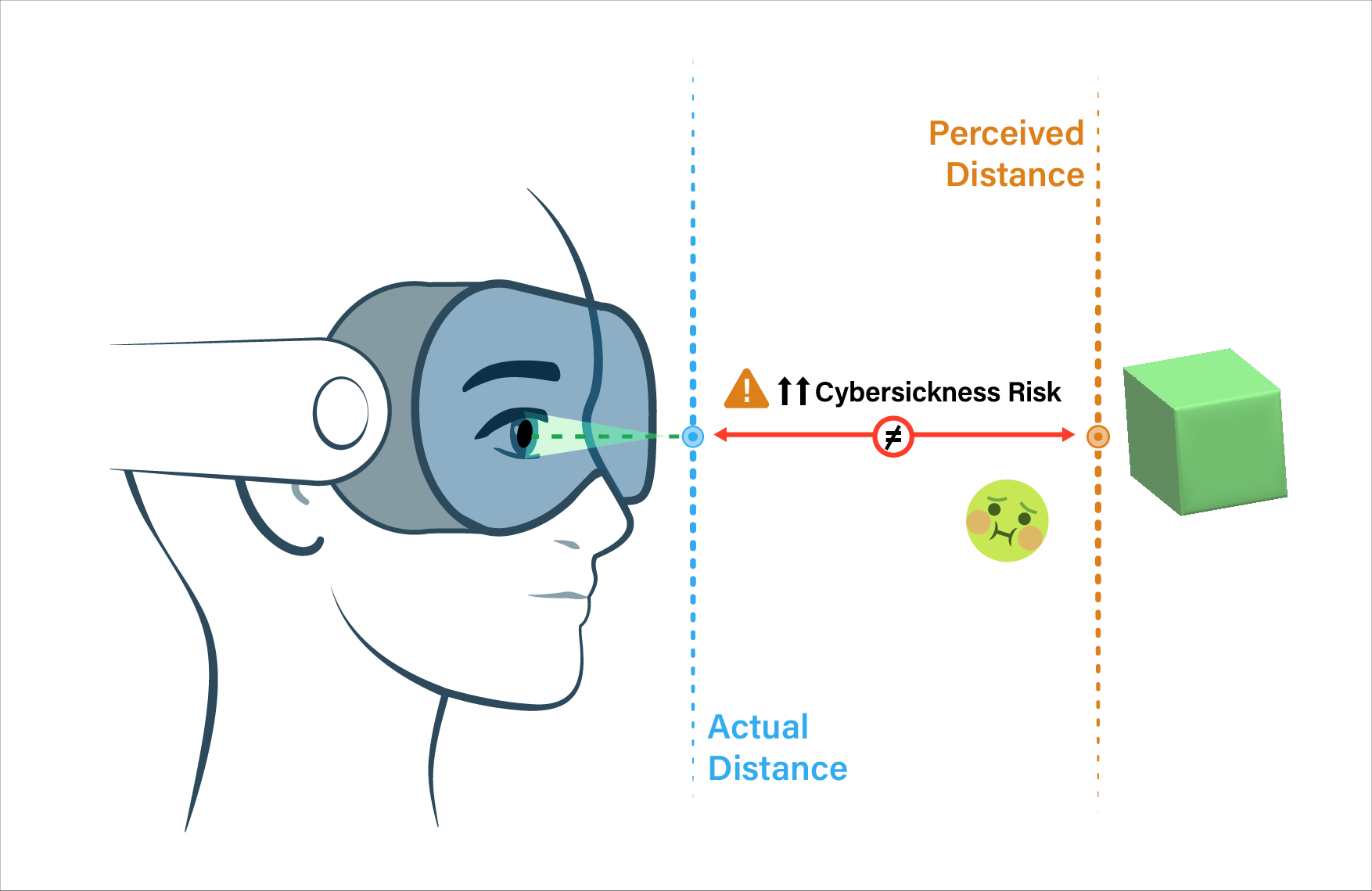
Findings from a real-time brain wave study could help virtual and augmented reality designers detect and reduce dizziness, nausea and other symptoms.

A joint UMD-University of Exeter study shows how collective movement enables viruses to persist with migrating bacterial colonies while minimizing the risk of either complete viral takeover or bacterial escape.

The XR Association joined UM-IHC faculty members and other stakeholders to discuss barriers to and solutions for scaling extended reality tools in clinical settings.

ARPA-H consortium led by Georgetown and the Buck Institute awarded up to $51.7 million to study misfolding proteins implicated in neurodegenerative diseases and cancer.

The projects aim to predict hospital readmissions in high-risk heart failure patients and establish reliable methods for evaluating the safety and performance of AI-enabled medical imaging systems.