
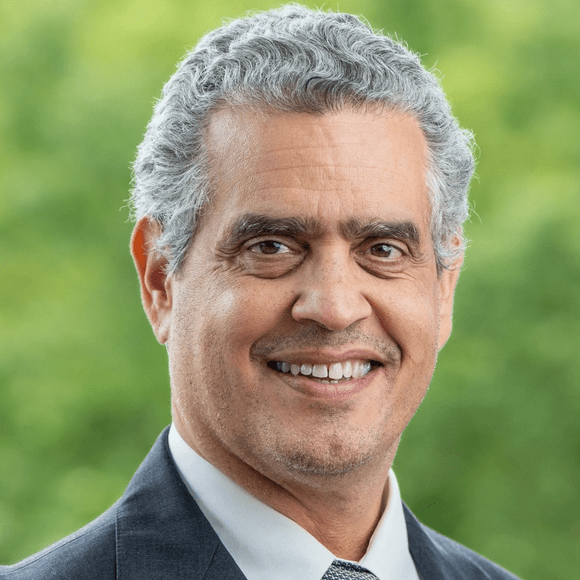
Adam Porter, PhD
Adam Porter, PhD, is a Professor of Computer Science at the University of Maryland, College Park and has served since 2015 as executive director of the Fraunhofer USA Center Mid-Atlantic, an applied research center affiliated with UMCP. Dr. Porter has over 35 years of experience in computer science and software engineering with an emphasis on the development of algorithms, methods and tools for software specification, development and validation. He has published more than 150 technical articles and his work has been supported by a wide variety of funding agencies and companies, including the National Science Foundation, Defense Advanced Research Projects Agency, Intelligence Advanced Research Projects Activity, U.S. National Institutes of Health, U.S. Department of Homeland Security, AT&T, Motorola, Sun Microsystems, Apple, IBM and Microsoft.
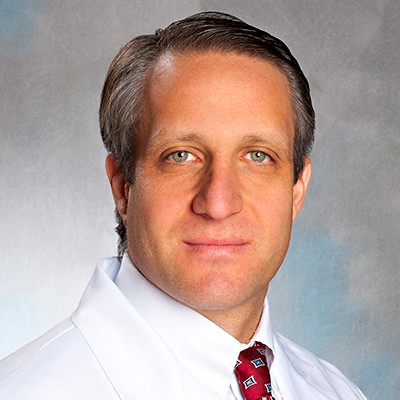
Bradley Maron, MD
Bradley Maron, MD, is the Melvin Sharoky MD Professor of Medicine and Senior Associate Dean for Precision Medicine at the University of Maryland School of Medicine. His laboratory studies redox biochemistry to identify functional essential protein cysteinyl thiols and utilizes network medicine to characterize the pathobiological mechanisms underpinning complex cardiovascular disease. In collaborative work, he led international projects focusing on the hemodynamic spectrum of clinical risk, which contributed to a revised definition of pulmonary hypertension used in clinical practice. He has co-authored over 200 scientific manuscripts, is the co-inventor of several patents or pending patents, and is funded by the National Institutes of Health and other organizations. He is a member of the American Society of Clinical Investigation and the recipient of numerous awards for research, clinical skills, and teaching.

Warren D'Souza, PhD, MBA
Warren D’Souza, PhD, MBA, is a Professor and the Division Head of Medical Physics in the Department of Radiation Oncology at the University of Maryland School of Medicine and Vice President of Enterprise Data and Analytics at the University of Maryland Medical System. He came to the University of Maryland School of Medicine in 2002 as an Assistant Professor following two years at the University of Texas M.D. Anderson Cancer Center as an Instructor. He has served as Division Head since 2008. He has received several awards, including the Medical Physics Travel Award from the American Association of Physicists in Medicine. He holds six patents from the United States Patent Office. He has been funded as a principal investigator on multiple grants from the National Institutes of Health, National Science Foundation and industry. He became a Fellow of the American Association of Physicists in Medicine in 2015.
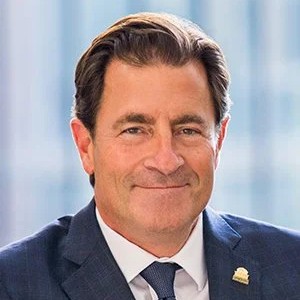
Mark Gladwin, MD
School of Medicine
University of Maryland, Baltimore
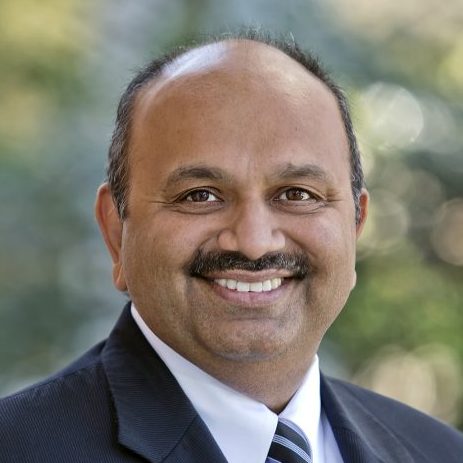
Amitabh Varshney, PhD
College of Computer, Mathematical, and Natural Sciences
University of Maryland, College Park
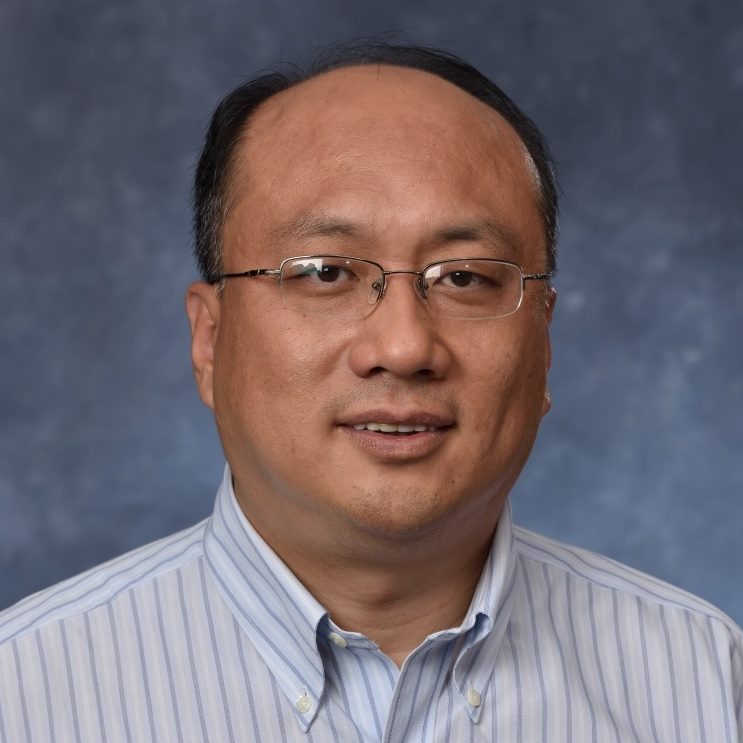
Heng Huang, PhD
Dr. Huang is the Brendan Iribe Endowed Professor of Computer Science at the University of Maryland, College Park, with joint appointments in Electrical and Computer Engineering and the Institute for Advanced Computer Studies. He earned his PhD in Computer Science from Dartmouth College and his MS from Shanghai Jiao Tong University. Dr. Huang is a leading researcher in machine learning, artificial intelligence, data mining, and biomedical data science. His work focuses on large-scale optimization, federated learning, imaging-omics integration, and smart healthcare applications.
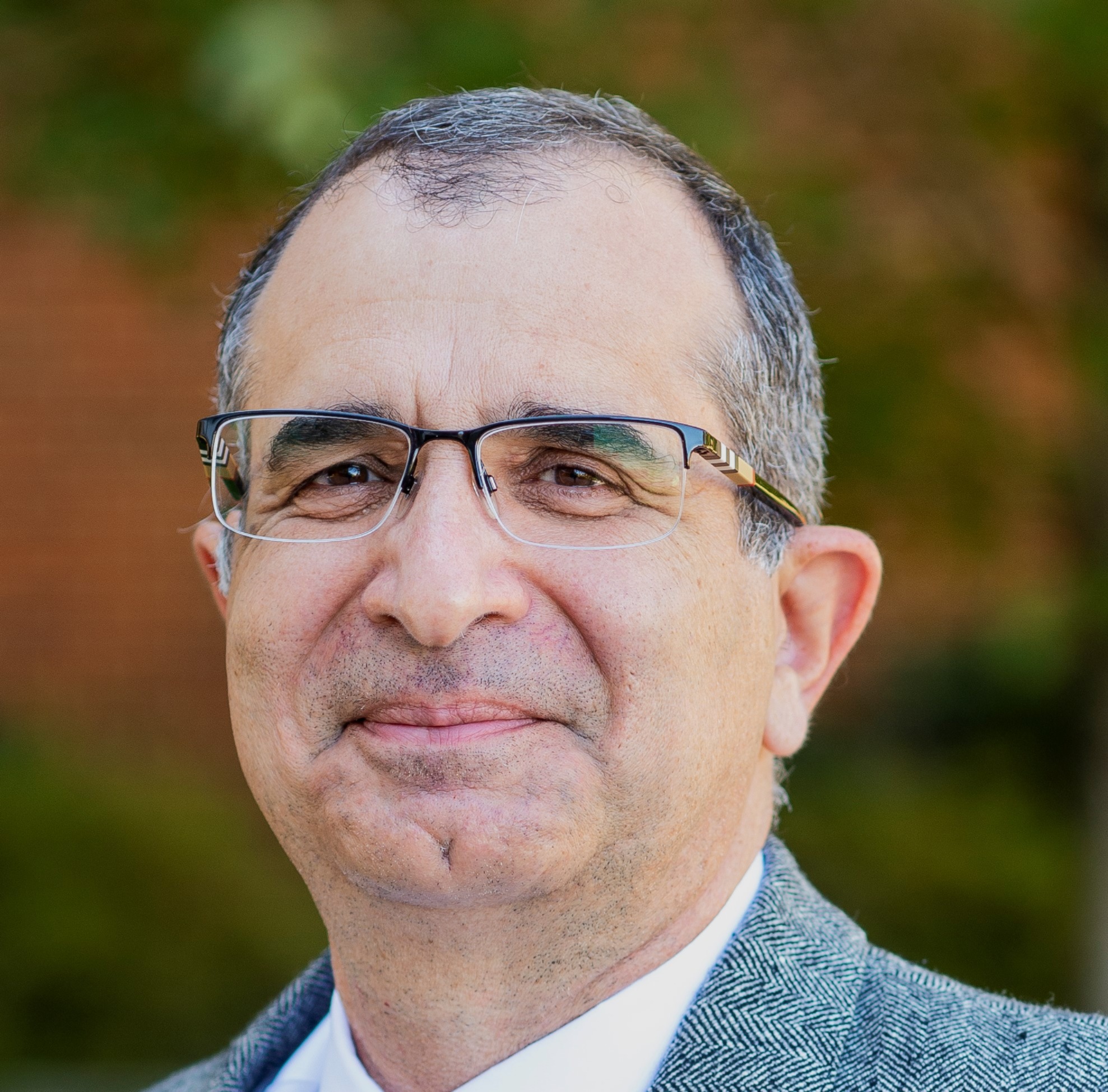
Najib El-Sayed, PhD, MSPH
Sujal Bista, PhD
Dr. Bista earned his PhD in Computer Science from the University of Maryland College Park. His research is focused on advanced 3D graphics, immersive technologies (VR/AR/XR), and AI-powered visualization for healthcare and scientific applications. Dr. Bista has over 15 years of experience in real-time rendering, GPU-based optimization, and interactive media, and has led multimillion-dollar research initiatives at the intersection of computation and medicine. His work includes developing scalable XR training modules for medical professionals and pioneering visualization techniques for complex biomedical data.
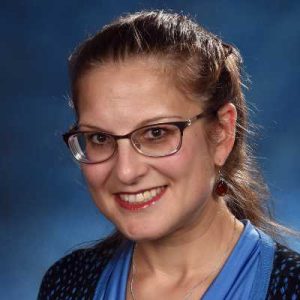
Rozalina McCoy, MD, MS
Dr. McCoy is an endocrinologist, internist, and health services researcher. She is Associate Professor of Medicine and Associate Division Chief for Clinical Research in the Division of Endocrinology, Diabetes and Nutrition at the University of Maryland School of Medicine. She earned her MD at Johns Hopkins University and MS in Clinical and Translational Science at Mayo Clinic. Her research leverages real-world data to improve diabetes care, with expertise in observational and interventional studies, pragmatic trials, and advanced analytic methods including AI and causal inference.
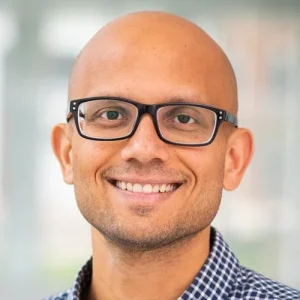
Pratyush Tiwary, PhD
Dr. Pratyush Tiwary is the Millard and Lee Alexander Professor of Chemical Physics at the University of Maryland College Park. He earned his MS and PhD from Caltech, followed by postdoctoral research at ETH Zurich and Columbia University. His research develops computational and AI-driven methods to study rare events in chemistry, biology, and materials science, advancing drug discovery and complex systems modeling.