Meet the 2026 UM-IHC Summer Interns
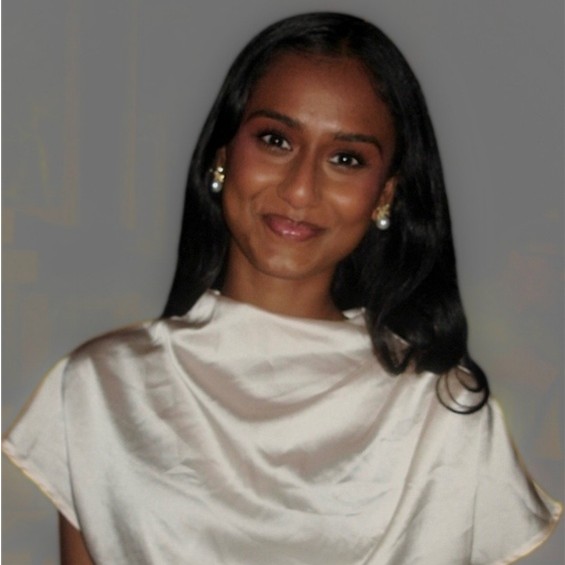 |
Mokshitha Chimbili, a 2nd-year medical student at UMSOM, will assess the comprehensiveness of primary care access among Medicare beneficiaries with diabetes. Chimbili is mentored by Rozalina McCoy, director of UM-IHC’s Center for Population Health and an associate professor of medicine at UMSOM. |
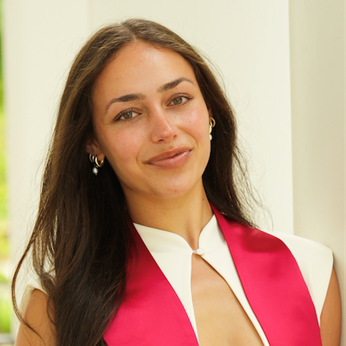 |
Alicia Hawkins, who graduated in May with a B.S. in neuroscience from UMCP, will study diabetes care and shared decision-making in clinical environments. She is mentored by Rozalina McCoy. |
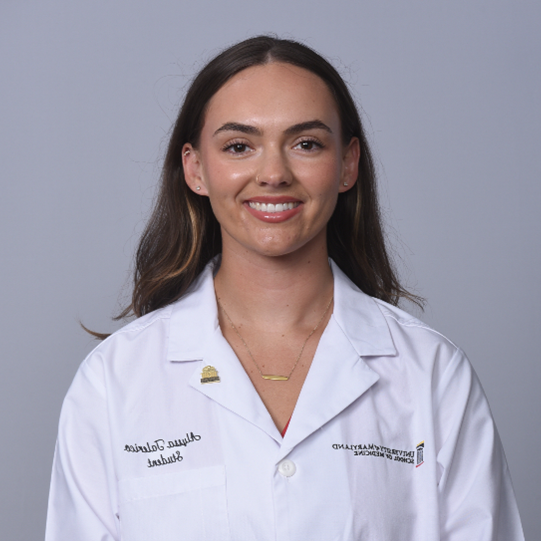 |
Alyssa Talerico, a 2nd-year medical student at UMSOM who received her B.S. in biological sciences in 2021 from UMCP, will explore trends in the use of GLP-1 and metabolic bariatric surgery by rurality, demographics and insurance type. She is mentored by Rozalina McCoy. |
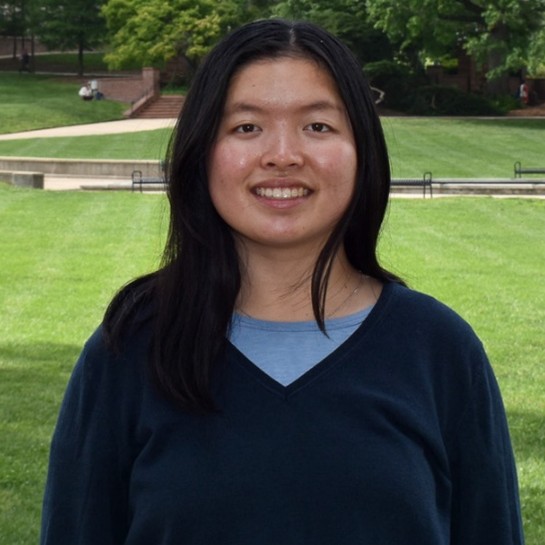 |
Grace Huang, a senior biochemistry major at UMCP, will examine the geospatial distribution of obesity and food availability, exercise places and walkability. She is mentored by Rozalina McCoy. |
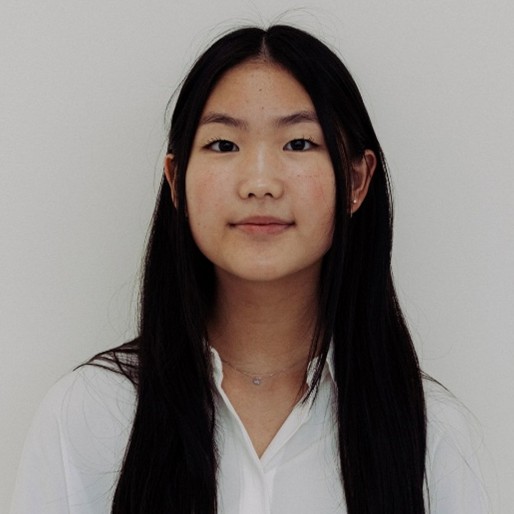 |
Jean Lee, a sophomore computer science and neuroscience major at Northwestern University, will work on developing machine learning and artificial intelligence models to predict diagnoses and optimal treatment plans from patients’ biomedical data. Lee is mentored by UM-IHC faculty member Najib El-Sayed, director of UM-IHC’s Bioinformatics Research Center and a professor of cell biology and molecular genetics at UMCP. |
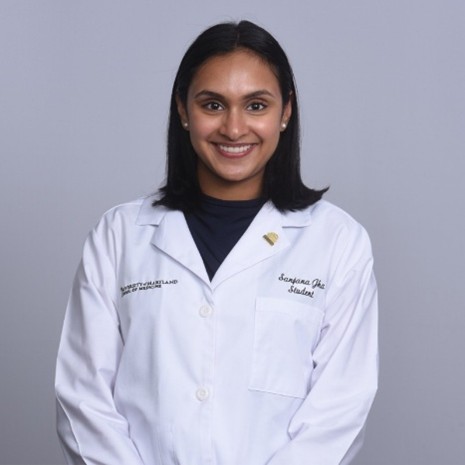 |
Sanjana Jha, a 2nd-year medical student at UMSOM, will study patterns of primary care and endocrinology use among older adults with diabetes. Jha is mentored by Rozalina McCoy. |
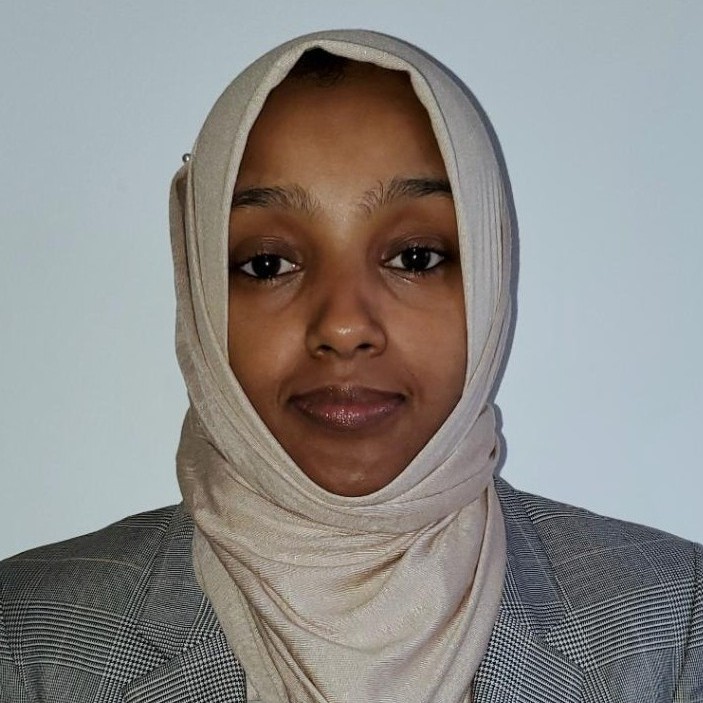 |
Elham Ahmed, a second-year endocrine fellow at UMSOM, is working with Rozalina McCoy longitudinally. |
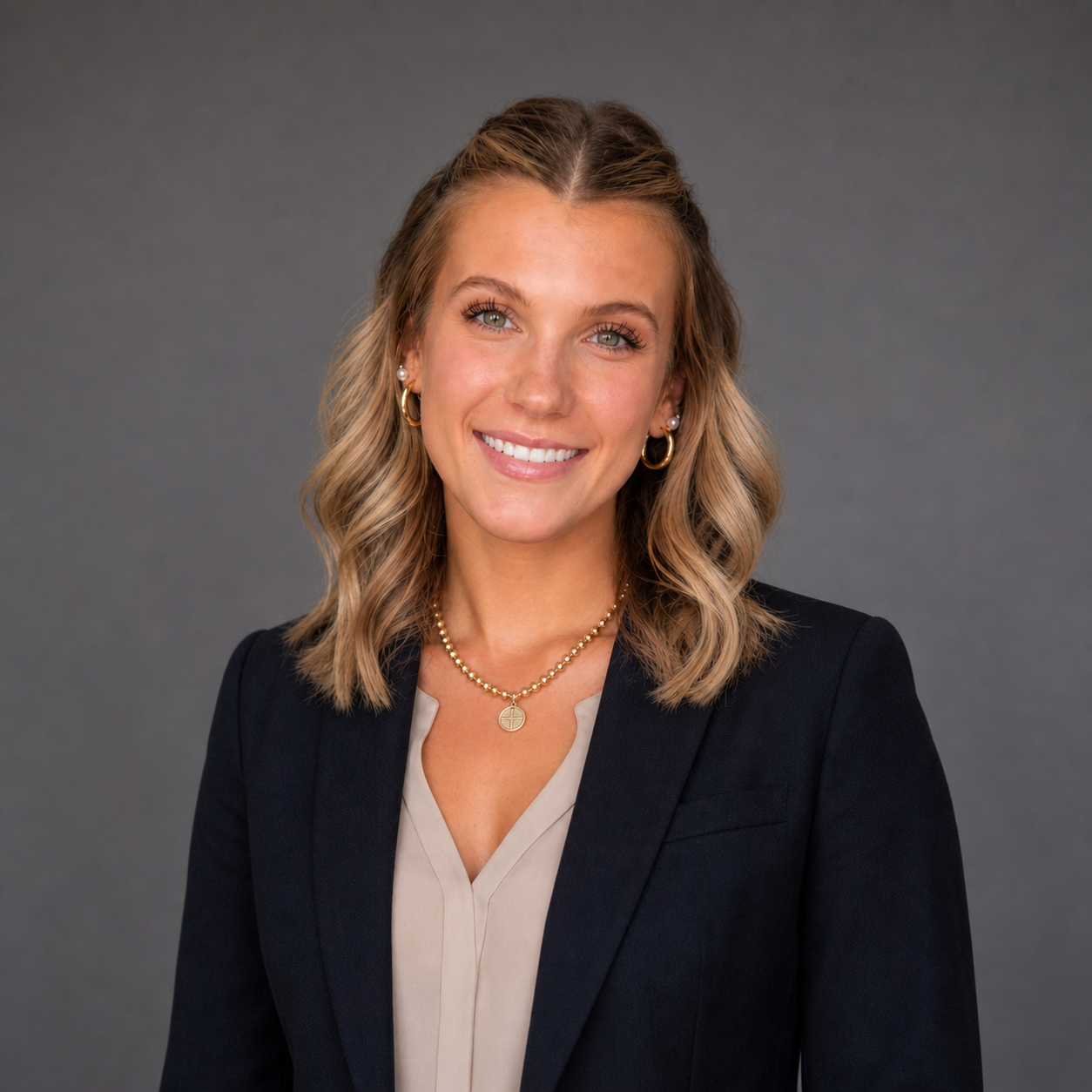 |
Alyssa Payne, a junior studying public health science at UMCP, will investigate the association between comprehensive primary care and diabetes outcomes. Payne is mentored by Rozalina McCoy. |
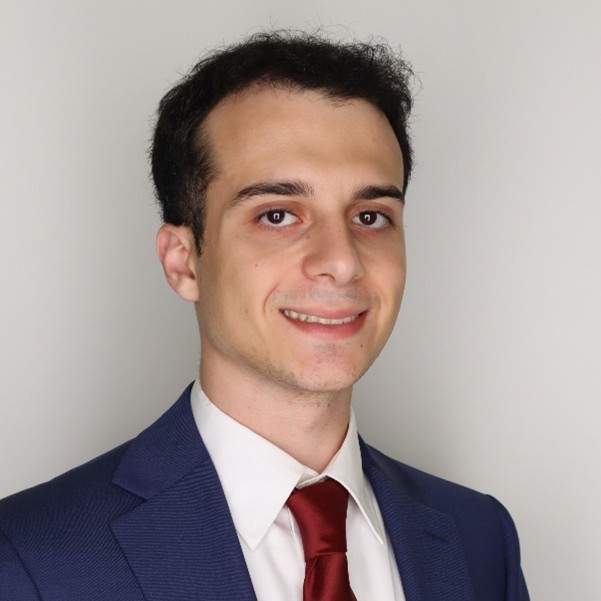 |
Samy Haidar, a 2nd-year medical student at UMSOM, will explore address-level social determinants of health to predict lower extremity amputations among patients with diabetes. He is mentored by Rozalina McCoy. |
|
Elham Ahmed, a second-year endocrine fellow at UMSOM, is working with Rozalina McCoy longitudinally. |
 |
Kimia Saleh Anaraki, a second-year endocrine fellow at UMSOM, is working with Rozalina McCoy longitudinally. |
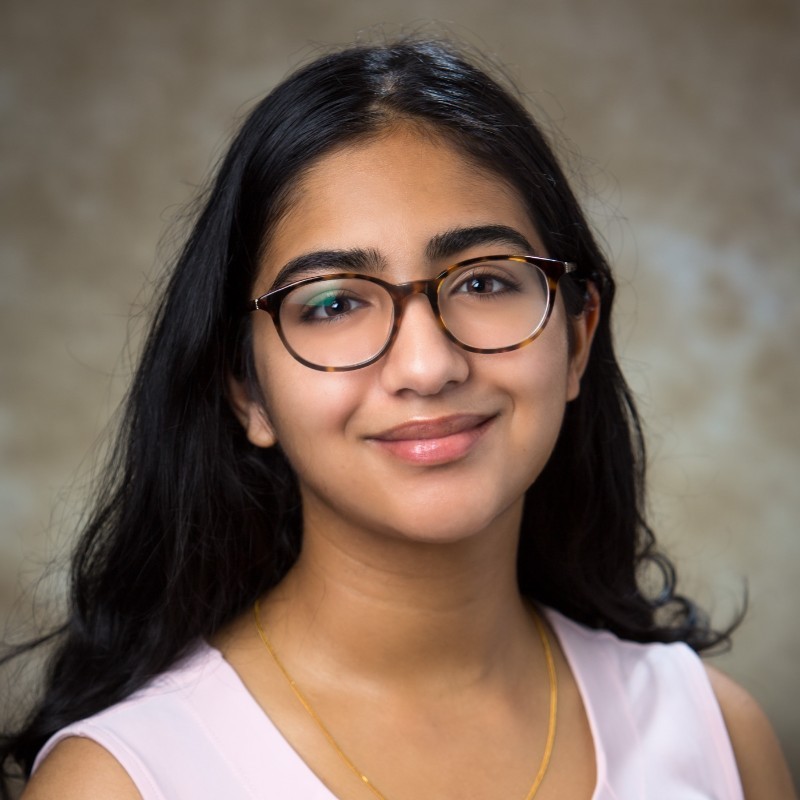 |
Komal Gandhi, a medical student at UMSOM, will work on developing and evaluating a survey for the RISE program. She is mentored by UM-IHC faculty member Alexandria Ratzki-Leewing. |
 |
Shinjer Li, a second year student at Eastern Virginia Medical School, will be working on artificial intelligence in medical imaging. He is supervised by UM-IHC faculty member Florence Doo. |